


By Henry Taala
@redlineproject
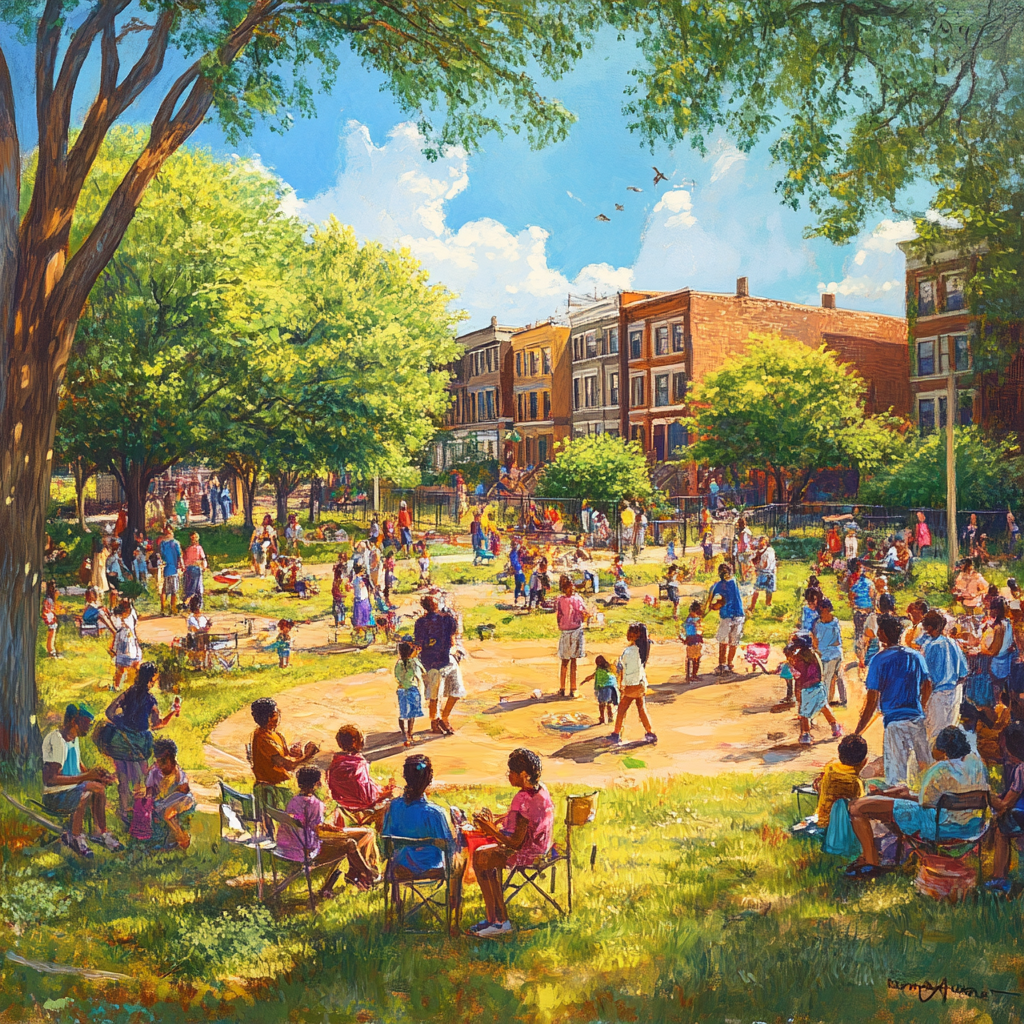
AI disclosure: AI was used to outline and identify relevant sources for this story. ChatGPT and Perplexity were used to edit grammar and modify vocabulary. Sora AI was used to develop video content, and MidJourney was used to generate images. Nota was used for the article preview, and the final content was reviewed and edited by a human.
Introduction
Humboldt Park on Chicago’s West Side is known for its cultural richness and community activism. Yet, it faces continuous challenges with youth violence and gentrification. In 2023, the reported incidents of violent crime in the 26th police district, which includes Humboldt Park, were above the citywide median for similar districts, according to Chicago Police Department data. Community-driven youth programs along Division Street and throughout the neighborhood have become crucial in counteracting violence, encouraging belonging and building hope for the future.
Educational and Cultural Foundations
Youth programs in Humboldt Park aim to support and empower young people. There are a handful of programs that can be found within West Division Street, a main road that cuts through the neighborhood. The Chicago Youth Centers’ Centro Nuestro and George E. Taylor Child Development provides early childhood education and after-school programs that promote academic and social-emotional development. The Puerto Rican Cultural Center (PRCC) offers a bilingual daycare. This ensures language can be taught at home, and from an external source as well. The range of different programs shows how the community is rooting for the success of young individuals, and empowering them with skills and pride.

Violence Prevention and Youth Development
Several organizations near and around Humboldt Park are dedicated to violence prevention and youth development as well. BUILD, Inc, is a nationally recognized organization that specializes in gang intervention, violence prevention and youth development. They provide resources to support communities academically with arts, and leadership programs.
Also located West of Humboldt Park, Child Thrive focuses on trauma-informed care, as well as youth mentoring and after-school activities. The University of Chicago Crime Lab has conducted research on the effectiveness of violence intervention programs in Chicago, showing the possibility for these programs to reduce violence.
Artistic and Community Engagement
The National Museum of Puerto Rican Arts and Culture and local art initiatives provide creative outlets for youth, connecting them with their roots and offering alternatives to growing up in the streets. There are many historic and artistic artifacts found in this museum that help paint the upbringing of Puerto Rican culture in Chicago. Community events, such as mural painting, cultural festivals, and wellness workshops are regularly organized by local organizations. These events can further prevent violence and create a stronger community by combining arts and gathering for anyone who wishes to participate.

Listening to Residents’ Needs
Marie Snyder, a legislative aide for Alderperson Jessie Fuentes, works closely with Humboldt Park residents and organizations. Her team is committed to community engagement, and creating spaces for residents to connect and build relationships.
“We probably do like three community events a week. It’s a lot,” she said. “Every other Saturday, we do a lobby with the alder. We work with small businesses, pay them to provide breakfast and coffee — for whoever from the neighborhood wants to come out and talk about what’s going on. These are the ways that we’re building relationships. These are the ways that we’re understanding what’s really happening.”
These gatherings range from cleanups to cultural celebrations. They build trust and foster connections among neighbors. Catering the event with the help of local businesses also allows them to grow and advertise their goods and services. This sense of belonging is essential for youth, offering them safe spaces and supportive networks that can steer them away from violence.
Housing Stability as a Foundation for Youth Safety
Snyder said that youth programs cannot succeed in isolation, they must be part of a collective approach that includes other factors such as housing stability.
“Without housing, where do people go? How are people safe?” she said.
Her team has worked on policies like the Northwest Side Housing Preservation ordinance, which helps prevent historic housing from being destroyed by requiring developers who demolish existing housing to pay into a land trust. This trust then supports affordable housing leads, ensuring families can remain in the neighborhood and youth can access nearby programs, schools and support systems.
Reducing Violence and Strengthening Community
While data on the direct impact of specific youth programs on crime rates in Humboldt Park is limited, the Chicago Police Department’s CLEAR (Citizen Law Enforcement Analysis and Reporting) system provides crime statistics for the area. Looking at these trends alongside the presence and activities of youth programs can offer insights into potential correlations between crime and proximity.
Snyder also spoke about the importance of public spaces and cultural landmarks, such as La Casita and the murals along Division Street.
“La Casita…used to be an empty lot owned by the city, and then the community purchased it, and they put this there.,” she said. “It’s used for celebrations and bomba. It’s beautiful to have spaces like that.”
These spaces serve as gathering points for youth and families, hosting graduations, performances, and celebrations that reinforce community bonds and cultural identity. The National Museum of Puerto Rican Arts and Culture, located at Humboldt and Sacramento, offers free admission and provides youth with opportunities to explore their heritage through exhibits and programs.
Local Leadership
Local leaders like José E. López, executive director of the PRCC, and engaged public servants such as Snyder and her colleagues, are essential in providing and expanding progressive efforts. This need for community establishes trust and ensures that youth programs and policies are grounded in real-life experience. The office’s practice of door-knocking twice weekly helps them look for needs and connect residents with resources. With the help of this direct feedback, this continuously creates a network of support that benefits youth and families alike.
The Future of Humboldt Park
The youth programs of Humboldt Park are more than after-school activities. They are lifelines that counteract violence, develop talent, and build leadership. By investing in education, arts, wellness, and mentorship, and by supporting policies that keep families rooted in the community, these initiatives have significantly reduced violence and set a course for a brighter, more hopeful future for Chicago’s youth.