


By Anissa Hernandez
@redlineproject
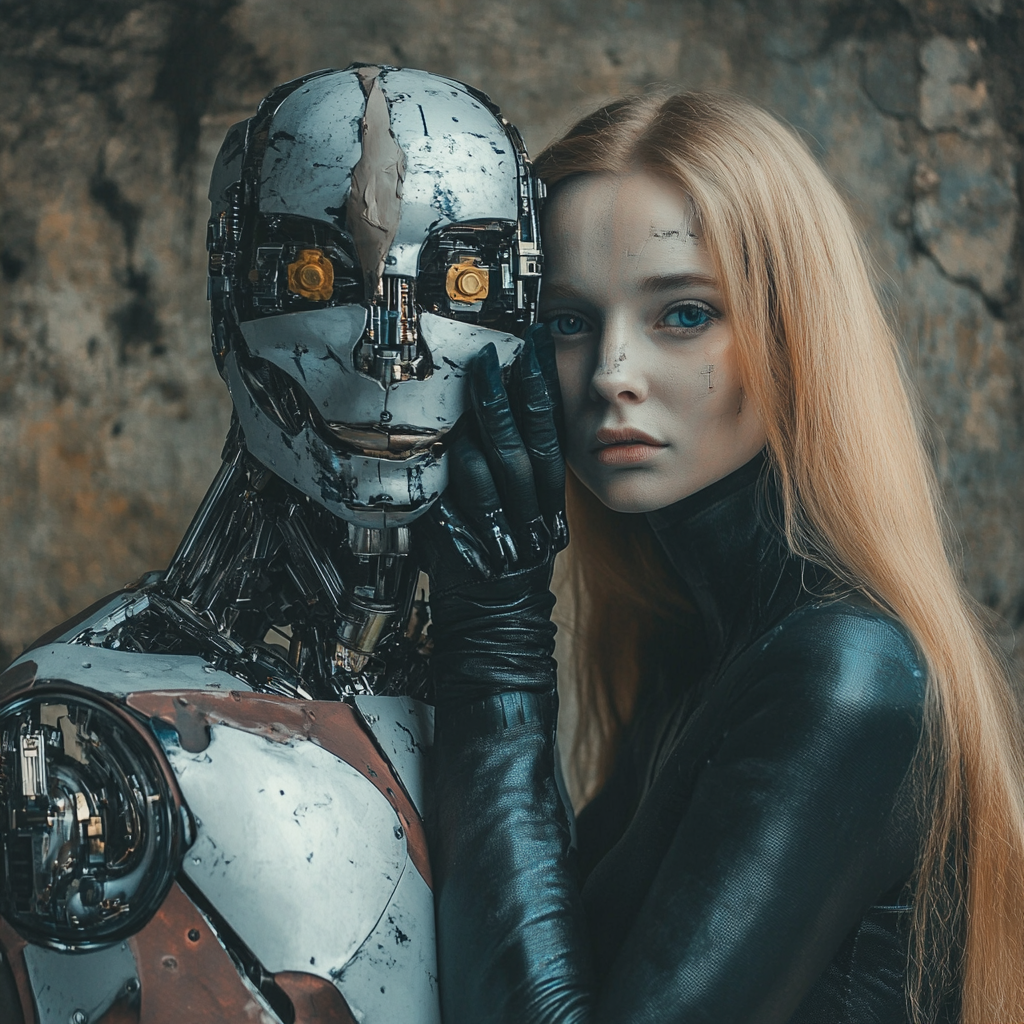
AI disclosure: ChatGPT and Google Gemini were used to help outline my paper and formulate subheaders, and how to break apart each paragraph for each point. Also, ChatGPT assisted with generating a summary seen in this article. Midjourney was used to generate photographs attached in this article. NotebookLM was used to create a FAQ at the end.
—-
Summary: Generative AI has significantly impacted photography, offering both creative advantages and challenges. While GenAI tools enhance photo editing by improving details, adjusting colors, and refining images efficiently, concerns about authenticity arise as manipulated visuals risk diminishing artistic originality. The technology also introduces ethical dilemmas, such as deepfakes and ownership disputes, raising questions about creative rights. Despite worries about job displacement, experts suggest that real-world photography will maintain value, with GenAI serving as a tool rather than a replacement.
Photographers have the skills to use their minds to formulate an intrinsic art piece with the many functions of a camera. Cameras have the power to capture memories and create stories; without the creation of photography society would be at a loss of preserving moments in time through the lenses of a camera. Camera work ranges from analog to digital work, where the photographer has the ability to manipulate the shot. Before the creation of the highly advanced AI tools that are available now, photo editing was performed by the artist.
Where they worked on how to alter the appearance of an image and exhibited their work with real concepts and creative themes. With the creation of Generative AI (GenAI), the engineering and creation of photography has evolved under the influence of AI tools.
GenAI influences creativity and how an image can look; if it’s by the scenery or the number of people present in the photograph or by having a particular theme to follow. GenAI can have a positive effect. Photographs can be enhanced by the use of editing tools, motivates creators to exceed creative standards, and it can be accessible for anyone with an interest in photography or have no prior experience. It also makes it accessible to the visually impaired through alt text and audio screen readers.
Even with the positives, GenAI can have a negative impact when it comes to the creation of images. Photography can lose its authenticity and rawness. Photojournalism and other can be affected, and ethical and the legal rights of an image can be negatively impacted. GenAI’s presence in creativity can either benefit or hinder image creators.

Enhancing and Photo Editing
With the utilization of a generative AI tool, the system can edit or enhance an image to a person’s prompts. Whether it involves creating a background that displays a gray, gloomy day filled with lightning bolts or removing the blemishes off a teen girl in a prom photo, GenAI can formulate an image that encapsulates what is requested. With photo enhancing or photo editing a photographer has the ultimate control on what the image should look like. Similar to when a photographer outlines the snapping of a photo, creators have the free will to work with the GenAI and ask for assistance to enhance.
These GenAI-powered tools may achieve what the artist is in search of, but they have full artistic expression to alter what they like and do not like. Based on the research, the use of GenAI-powered tools provide a significant effect on image manipulation. According to the book AI in Photography: From Image Capture to Creativity by Dr. Rashmi Cp, “In particular, it illustrates how AI improves the ability of photographers to concentrate more on artistic parts of their work and allows for other improvements such as color corrections, noise reduction, or any further improvement.” Furthermore, these tools give photographers cooperation on how to elevate an image with any tools that the photo editor provides.
It supplies creators with images that highlight details and are of a higher caliber, almost too perfect to view. These tools are efficient and produce same-day edits, meaning the alternations are done on the spot after attaching an image to magnify. While these GenAI tools give hands-on enhancements for photographers, there may be concerns about the artistic authenticity of a photograph.

Authenticity and Manipulative Lies
The connection of generative AI and photography has created a stir among society due to the lack of authenticity and artistic expression that can be caused by GenAI use. The raw factor is lost from artwork when GenAI is introduced; the work can lose its personal flair. GenAI can manipulate a photograph based on their algorithm. An artist’s vision can be lost among all the alterations.
It can be disingenuous and difficult to spot the realness of a photograph: Is it reality or completely fake? For instance, deepfakes can be video or photographs that have been manipulated to show someone doing something they actually didn’t do. These fake images and videos are used in ill-mannered ways, to misconceptions about people or misrepresent a news event or issue.
According to the 2018 journal article written by Travis L. Wagner and Ashley Blewer “The Word Real Is No Longer Real”: Deepfakes, Gender, and the Challenges of AI-Altered Video, “This is a critical moment for authenticity and trust in media, and it is palpable in the news and academic writing about this issue.
Technology has already advanced to the point of real-time media manipulation in which faces and speech can be applied to completely false actions/statements but be perceived as real by the public.” Photography and the creative use of GenAI-powered tools create a deception that causes people to question whether what they are seeing is real or completely fake. Based on authenticity and manipulation, one can argue that it can enhance or grow the work of an artist with the assistance of GenAI.

Enhancing Artistry and Award-Winning Art
Not only is GenAI an effective tool that creates new artistic approaches, it can expand the use of creativity and imagination. With the many aspects that are within GenAI-tools, it can allow artists to gain knowledge on new photography methods.
As years progress, new applications are created to engineer a vast number of creations, for instance an app that shows an embrace of two people who are just standing next to each other. GenAI can exceed in artistic ways by fixing texture or making a person frown instead of smiling. Photographers can gain more of an emotional impact or outcry with the influence of GenAI by emphasizing specific elements. It can cause a conversation among viewers and even win a prestigious award.
An artist from Berlin, Boris Eldagsen, performed a stunt where he entered a contest called the Sony World Photography Awards. Eldagsen entered a GenAI-produced black-and-white analog photograph of two women and won the contest. He wanted to test the theory if high-caliber competitions are ready and able to decipher a photograph that is GenAI generated. In his case, they certainly were not. He did not accept the award.
According to Allison Parshall’s 2023 interview with Eldagsen in “Scientific American’s” How This AI Image Won a Major Photography Competition, “For me, as an artist, AI generators are absolute freedom. It’s like the tool I have always wanted. I was always working from my imagination as a photographer, and now the material I work with is knowledge.” Based on Eldagsen’s comment, GenAI can generate artistic freedom and enhance an artform specifically in photography, as he did. This artistic freedom can reach the business world and create a stir among people and the job market.

Job Displacement
With the inclusion of GenAI in the arts and photography in general, there has been a distress in the photography employment market. The collection of GenAI tools are being seen as exceeding the knowledge of those who specialize in the skills that GenAI has for photography enhancement.
Also, photographers are worried that AI will take over many job opportunities. Some creators pose the question based on how efficient and quick GenAI can generate certain topics or manipulate existing images. It makes the community wonder if they are capable of surpassing the skilled work of GenAI to secure a job. Technology continues to advance and GenAI progresses and obtains more knowledge and expertise.
According to a 2024 Tech National article by Dean Benzaken titled, “How is AI Impacting Professional Photography Jobs?”, he “envisions a short-term displacement as more individuals enter the field, but believes that real-world photos will continue to hold value over AI-generated images, leaving room for AI-supported artistic endeavors.” Prediction: the job market can remain tame for photographers. Although GenAI will continue to progress, but at the moment won’t engulf the imagination that comes from a photographer’s mind that is channeled into a single photograph.

Accessibility
In general, photography can be taken on as a hobby or profession by anyone who may have an interest. That same generalization can be made about using GenAI-powered tools to generate photographs or simplifying edits on pre-existing images. Beginner photographers or visually impaired individuals can form a liking in the photo-based content. With GenAI tools, there is a way to take advantage of audio-description or photo descriptions to create and increase imagination with guidance from a GenAI tool.
According to a 2025 article by Michaela Luyt “How AI Enhances Inclusivity and Accessibility in Photography Editing”, “AI technology can continuously improve its inclusivity and accessibility features to cater to the evolving needs of both creators and consumers by getting them involved in the process of development, and then regularly providing feedback loops so they can get what they want out of the editing process.” Photography is a medium that can be learned by anyone who has a passion for capturing photographs, and GenAI-tools provide that guidance and reassurance to learn and create.

Legal Rights
GenAI and photography lead issues with legal rights, too. When GenAI work is created, the rights of ownership and copyright law are non-existent, according to the US Copyright Office. The question that can be posed is: Who has full ownership of GenAI-produced images? With GenAI and photography, the use of models or locations can trigger copyright infringement if a piece of work resembles similar creations or takes inspiration from original work. Photographers and creators are expressing how their own work should not be taken advantage of with GenAI and should be protected with ownership rights.
According to a 2023 article by Daniel Grant entitled “New US copyright rules protect only AI art with “human authorship” for The Art Newspaper, “The Copyright Office Compendium, its guide to policies and procedures, explicitly states that works created by nature, animals or plants cannot be registered. That also includes “works produced by a machine or mere mechanical process that operates randomly or automatically without any creative input or intervention from a human author.” GenAI technology will continue to develop over the years and grow a stronger algorithm. As it continues to upgrade and gather more knowledge, artists will need to be protected by ownership rights to avoid the act of stolen work.

Conclusion
Generative AI-powered tools and creativity in photography have crafted systems for image production and editing. GenAI and creativity within photography has brought forth imaginative possibilities and intricate difficulties. It has developed a strong influence among art and the creation of photographs. While there are positives of how GenAI has formulated a system to enhance and photo manipulate, to exceed artistic standards, and being accessible to all no matter the experience.
But challenges with GenAI include concerns about being authentic and creating lies, job displacement within the photography world, and the legal rights revolving copyright and artist ownership. Furthermore, GenAI technology will continue to evolve and progress. The bond of GenAI technology and photo creativity will grow, and it will become a tool that consumers can use for imaginative arts at their own leisure.
—–
Frequently Asked Questions: AI and Creativity in Photography
1. How has the emergence of Generative AI (GenAI) impacted the creation and editing of photographs?
Generative AI has significantly evolved photography by introducing powerful tools for image creation and manipulation. Traditionally, photographers relied on their skills and manual editing techniques to alter images. Now, GenAI allows for extensive modifications, from changing backgrounds and removing imperfections to generating entirely new images based on prompts. This has both broadened the creative possibilities and raised questions about the authenticity and originality of photographic work.
2. What are some of the positive effects of using GenAI in photography?
GenAI offers several benefits to photographers and enthusiasts. It can enhance images through sophisticated editing tools like color correction and noise reduction, allowing photographers to focus more on the artistic aspects. It can also motivate creators to explore new creative standards and make photography more accessible to beginners and even visually impaired individuals through features like audio and photo descriptions that aid in image generation.
3. What are the potential negative consequences of incorporating GenAI into photography?
Despite its advantages, GenAI in photography presents challenges. A key concern is the loss of authenticity and the potential for manipulation, making it difficult to distinguish between reality and AI-generated content, as seen with deepfakes. Additionally, the increasing capabilities of GenAI raise concerns about job displacement for professional photographers who worry that AI tools might surpass their skills. Ethical and legal issues, particularly regarding copyright and ownership of AI-generated images, also pose significant problems.
4. How does GenAI affect the authenticity and perceived reality of photographs?
The integration of GenAI can blur the lines of reality in photography. AI’s ability to seamlessly alter or create images can erode the raw and genuine aspects of traditional photography. This raises societal concerns about trust in visual media, as it becomes harder to discern whether a photograph is a true representation of an event or a manipulated creation. The potential for misuse, such as in the creation of misleading “deepfakes,” further exacerbates this issue.
5. Can GenAI enhance artistic expression in photography?
Yes, according to some artists, GenAI can indeed enhance artistic expression. It provides photographers with a new set of tools that can translate imaginative concepts into visual realities with greater freedom and flexibility. By handling technical aspects of image manipulation, GenAI can allow artists to concentrate more on conveying emotions, themes, and narratives within their work, potentially leading to innovative and award-winning creations.
6. What are the concerns regarding job displacement for professional photographers due to AI?
The rapid advancement of GenAI in photography has led to worries within the professional photography community about job security. The efficiency and increasing sophistication of AI tools in image generation and editing raise the question of whether these technologies could eventually replace human photographers for certain tasks. While some believe that real-world photography will still hold value, the immediate future may see a shift in the job market as individuals with AI skills enter the field.
7. How does GenAI impact accessibility and inclusivity in photography?
GenAI can significantly improve accessibility and inclusivity in photography. For individuals with no prior experience or those who are visually impaired, AI-powered tools can offer guidance, audio descriptions, and photo descriptions to facilitate image creation and editing. This lowers the barrier to entry and allows a broader range of people to engage with photography as a hobby or even a profession.
8. What are the legal and ethical considerations surrounding the use of GenAI in photography, particularly concerning copyright?
The intersection of GenAI and photography brings complex legal and ethical considerations, especially regarding copyright. Current copyright laws often require human authorship for protection, which raises questions about who owns the rights to AI-generated images. The use of existing copyrighted material or the likeness of individuals or locations in AI creations can also lead to infringement issues. There is a growing need to establish clear legal frameworks to protect artists’ rights and address the unique challenges posed by AI-generated content.